
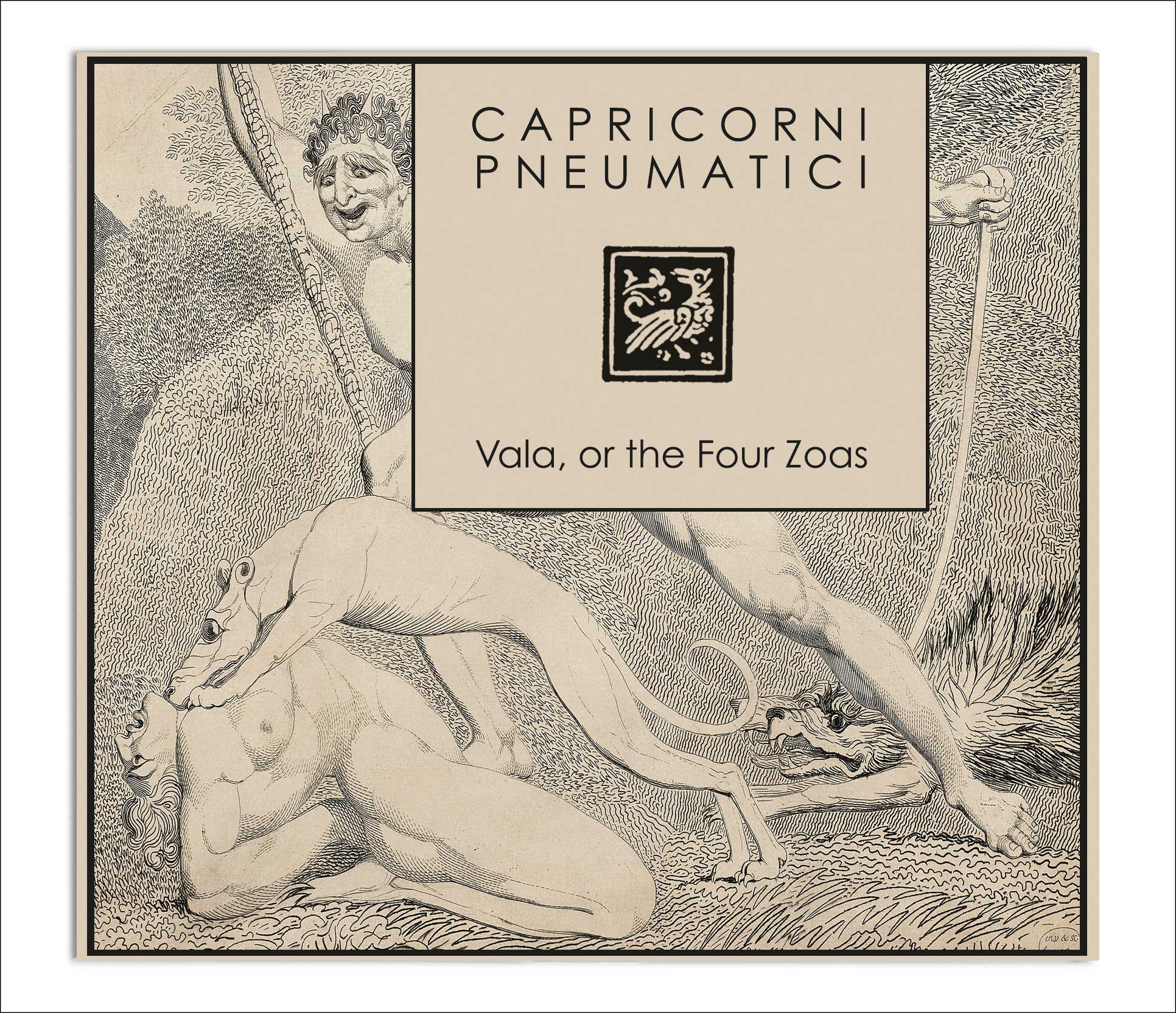
What strikes you first about this album is how little it cares about easing you in. The accompanying text frames the project in terms of process, duration and the physical circumstances of its creation, but none of that prepares you for the way the music behaves when you actually sit with it. Heard straight through, it feels less like a composed work and more like an environment that’s already been running for centuries, one you’ve stumbled into mid‑flow. Those scattered, feral voices at the start don’t guide you so much as circle you, squawking and darting like creatures in a canopy you can’t quite see. It’s that strange 70s cannibal‑film sensation: a beautiful forest, sunlight on leaves, and then you turn around, and the path has vanished. Eyes in the foliage and no obvious way out.
The second track is where that uncanny glass elephant in the room moment happens – the first real hint that the album has a sense of scale far beyond its opening gestures. There’s this extraordinary, trumpet‑like surge that doesn’t sound like any instrument you can name, more like a gigantic, translucent creature clearing its throat somewhere just out of sight. It’s not whimsical, and it’s not a joke; it has weight, presence, a kind of slow, deliberate majesty that makes you sit up a little straighter. The rest of the track seems to rearrange itself around that call, as if acknowledging the arrival of something enormous. It’s the point where you realise the album isn’t just atmospheric – it’s populated…with ‘things’.
By the time the third track arrives, the album finally lets those voices step out of the shadows. They don’t creep in so much as materialise around you, as if they’ve been waiting for the right moment to make themselves known. There’s nothing theatrical about them; they just begin, calmly, insistently, like a group of figures emerging from the treeline and forming a loose circle without saying why. Their calls and murmurs feel half‑human, half‑environmental, the kind of sound you’d swear was coming from the canopy until it shifts and you realise it’s right beside you. It’s not threatening, but it does rearrange your sense of where you are. After the vast, translucent heft of the previous track, this one feels more intimate, almost conspiratorial, as though the album is leaning in and saying: now pay attention.
What replaces them is a set of deep, unadorned tones. Nothing decorative, nothing theatrical, nothing that tries to frighten you. They simply exist, elemental and immovable, and the effect is quietly overwhelming. They give you the sense that you’re no longer the one in control here, and that resistance would be pointless anyway. Not because anything is threatening you, but because the music has settled into a state older and larger than you are. You lie down, metaphorically or otherwise, and let it happen.
The central 30‑minute track is where this surrender becomes total. It’s monumental not because of its length but because of its patience. It moves with the slow certainty of something being shaped over heat – not literally glass, but that same feeling of a raw element being coaxed into a living form. There’s a sense of being softened, stretched, reshaped by forces that don’t need to explain themselves. By the time the piece finally exhales, you feel as though you’ve been through a process rather than a performance.
Then comes ‘Biarmonico’, the so‑called bonus track, though it behaves more like an epilogue. It circles back to the humming, glass‑like textures of the opening, but with a different posture. Where the beginning felt confusing, even a little wary, this feels knowing – almost like the album tapping its finger to its nose. What once felt like a forest closing in now feels like a place that’s navigated around you.
Taken as a whole, the album works best as a single, uninterrupted experience. Not because it’s concept‑heavy or didactic, but because its logic unfolds only when you give yourself over to its duration. You don’t analyse it so much as inhabit it, and by the end you’re left with that rare sensation of having been changed in ways you can’t quite articulate. It’s not a journey with a message, it’s a lingering ache.
Daz Lawrence
Orignally appeared on Weir Bones